
Home › Newsroom › monetisation
monetisation
Micro Drama Streaming Business Model: How Viewers Pay
The micro drama streaming business model is how viewers pay — through ads, subscriptions, paid episode unlocks, or a mix — and how operators keep enough of them coming back to cover content and delivery. Market forecasts describe a category, not a guarantee for one title.
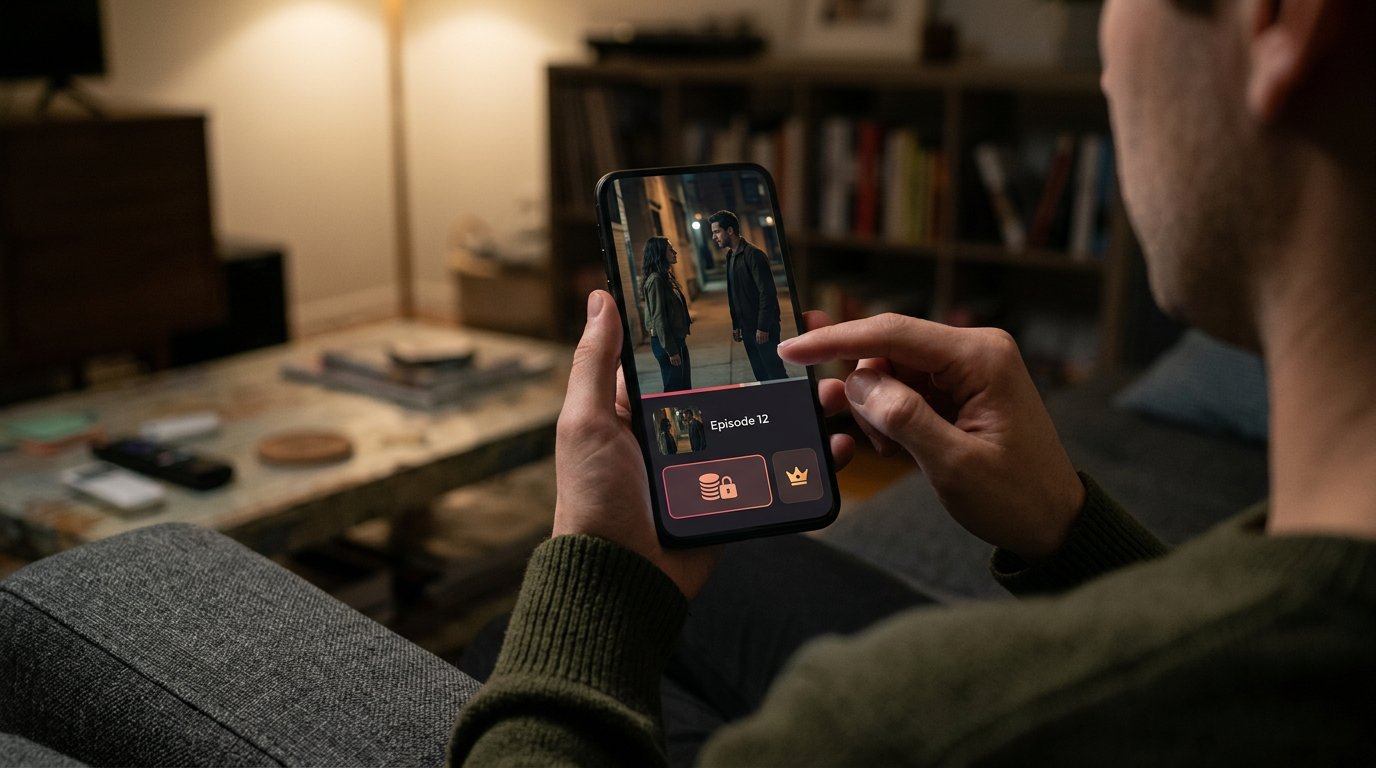
The micro drama streaming business model is how viewers pay — through ads, subscriptions, paid episode unlocks, or a mix — and how operators keep enough of them coming back to cover content and delivery. Deloitte has published large market forecasts for micro-series, and Sensor Tower and YouTube have reported sharp growth in in-app revenue and viewing, but those figures describe a category, not a guarantee for one title. A working model still needs a clear price, a reason to continue after the free episodes, and a catalogue you have the rights to show.
Dramnex OS gives operators a branded web app with coins, VIP and unlocks. There is a free 7-day trial with no card. Trial storefronts show a “Made with Dramnexos.com” watermark, which comes off on a paid plan. See how vertical video OTT monetization may work and short drama app monetization.
Key Takeaways
- Use viewing patterns to spot where audiences lose interest and which stories keep them watching.
- Build episodes around a fast opening and a payoff that gives viewers a reason to continue.
- Match free viewing, ads, subscriptions, and episode unlocks to different viewer habits.
- Watch for fatigue, weak retention, and acquisition costs that can undermine the boom.
Table of contents
- How real is the micro-drama market?
- How do short-episode formats and cliffhangers drive viewing?
- How do subscriptions, advertising and pay-per-episode access work together?
- What hype-cycle risks should operators watch?
- How Dramnex OS supports that business model
How real is the micro-drama market?
The US is forecast to generate about 40% of global short-drama revenue in 2026. Global revenue is expected to reach $7.8 billion that year. That points to a sizable market, but forecasts don’t prove every app can hold an audience or earn consistently.
Analysts have argued that household media spending fell as viewing moved from the old television bundle to à la carte streaming. The comparison is a reminder that viewing and spending can shift when the distribution model changes. Micro-drama platforms now test a different path: short, serialized stories delivered through mobile-first apps.
Forecasts also show rapid growth. Deloitte forecast about US$3.8 billion in global micro-series revenue in 2025, with the US then about half of that market. Sensor Tower reported short-drama in-app purchase revenue rising from US$178 million in Q1 2024 to nearly US$700 million in Q1 2025 (App Store and Google Play IAP only; it excludes ads, web billing, and sideloaded Android). More revenue attracts more content and platform competition.
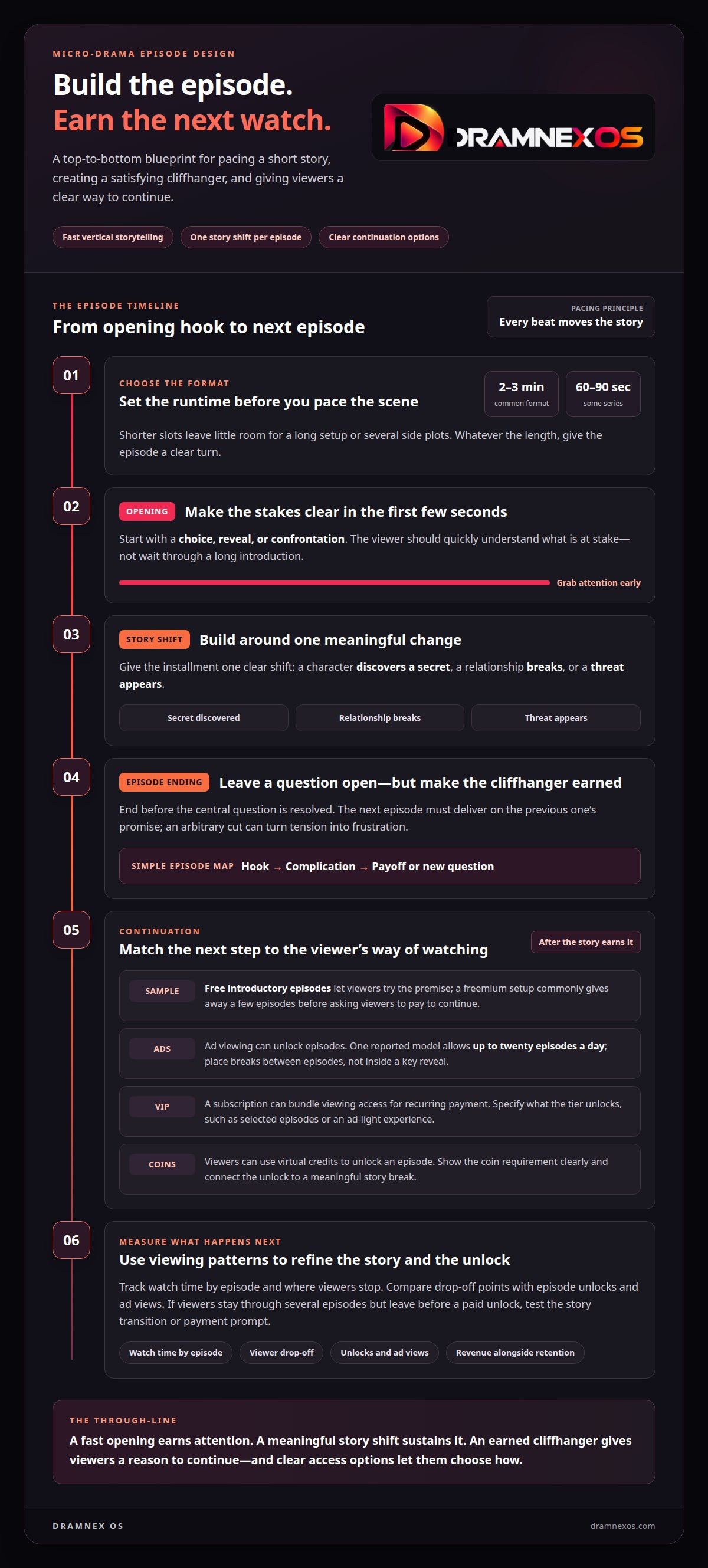
Analytics turn growth into operating decisions. Track watch time by episode and note where viewers stop. Compare those drop-off points with episode unlocks and ad views. If a series holds viewers through several episodes but loses them before a paid unlock, test the story transition or payment prompt. Review revenue by series alongside retention, not in isolation. A high-earning episode with steep drop-off may signal short-term conversion, not durable viewing.
US platforms need rights to the scripts, performances, music, and footage they distribute. They also need privacy practices for user data and compliance with applicable app-store rules. Treat licensing records, data handling, and store policies as launch requirements, not cleanup tasks.
Production and marketing costs depend on the series plan, talent, locations, shooting schedule, and promotional channels. Keep those budgets separate to see whether content production or audience acquisition is driving spending.
Acquire users through channels such as social clips, app-store discovery, and referrals. Measure customer acquisition cost by dividing campaign spend by the new users attributed to that campaign. Then compare acquisition cost with viewing, purchases, and repeat use. Downloads alone don’t show whether viewers become paying customers.
How do short-episode formats and cliffhangers drive viewing?
Micro-dramas compress a story into quick, vertical episodes. Common formats run two to three minutes, while some series use episodes lasting 60 to 90 seconds. The shorter the slot, the faster the scene must establish its conflict. Open with a choice, reveal, or confrontation. Viewers should understand what’s at stake within the first few seconds.
Build each episode around one story shift: a character discovers a secret, a relationship breaks, or a threat appears. End before the question is resolved, but make the cliffhanger feel earned. If every episode cuts off at an arbitrary moment, tension turns into frustration. The next episode needs to deliver on the previous one’s promise.
Episode length shapes pacing, not just runtime. In a 60- to 90-second format, there’s little room for a long setup or several side plots. A two- to three-minute episode can give a scene more space, but still needs a clear turn. Map each installment as a simple sequence: hook, complication, payoff or new question.
Free introductory episodes let viewers sample the story before paying. A freemium structure commonly gives away a few episodes, then asks viewers to pay to continue. Use those free installments to demonstrate the central premise and give viewers a reason to care. A weak opening makes the unlock request feel premature; a strong one gives the audience a specific story question to follow.
Coin-based access adds a step between the cliffhanger and the next episode. Viewers use virtual credits to unlock episodes, so show the coin requirement clearly before they commit. Tie the unlock point to a meaningful story break, not a mid-scene interruption. Operators planning coin-based episode access can compare monetization options when shaping that flow.
How do subscriptions, advertising and pay-per-episode access work together?
The micro drama streaming business model matches payment options to different viewing habits. A platform can combine subscriptions, advertising, and episode purchases. One viewer may pay for uninterrupted access; another may watch ads or unlock a favorite series. The mix gives each audience segment a way to continue.
A subscription, sometimes presented as a VIP tier, can bundle viewing access for recurring payment. Specify what the tier unlocks, such as selected episodes or an ad-light experience, and distinguish it from individual purchases. If a viewer follows one series but rarely watches others, a season or episode option may fit better than a broad subscription.
Advertising earns revenue from viewers who choose not to pay directly. Some platforms let viewers watch ads to unlock episodes, with access limits shaping how quickly they can continue. One reported model allows up to twenty episodes a day through ad viewing. The trade-off is attention: frequent interruptions can weaken a tense scene, so place ad breaks between episodes rather than inside a key reveal.
Pay-per-episode access turns each continuation into a separate purchase. A platform may combine coins with episode unlocks, letting viewers buy credits and spend them as they watch. Make the credit balance and unlock requirement clear before viewers commit. Track whether purchases happen after cliffhangers, then compare that pattern with ad views and subscription uptake.
Multi-device access supports longer viewing sessions. A viewer might start an episode on a phone, then continue on a tablet or Smart TV. Preserve viewing progress across devices so viewers return to the same point instead of searching through a season. This matters most when a story spans many episodes. Keep payment status and playback history in sync, and make access rules clear on each supported screen.
What hype-cycle risks should operators watch?
Fast growth can hide a weak business underneath. YouTube reported 6.5 billion micro-drama views in the first half of 2026, with watch time up more than 50% year over year. Those figures show attention, not dependable revenue. A platform still needs viewers to return, finish stories, and choose a paid option.
Audience fatigue is a direct risk. If every series repeats the same betrayal, secret, and cliffhanger, viewers learn the pattern and stop caring. Track completion across episodes, not just starts. When viewers leave at the same point in several series, review the story beat and pacing before commissioning more episodes with the same structure.
Distribution adds another pressure. Social platforms control their algorithms, advertising formats, and audience data. A creator may draw views from a viral clip yet have limited insight into what viewers watch next. Reduce reliance on one discovery channel. Compare which sources bring viewers who return, rather than counting views alone.
Acquisition can also outpace viewer value. Measure campaign spend against new users, then compare that cost with repeat viewing and purchases. If downloads rise but paid unlocks and return visits remain weak, more promotion may deepen the gap instead of fixing it. Test a different trailer, audience segment, or opening episode, then compare results.
Content rights and playback reliability create operational risks. Missing permission for music or performances can disrupt a release, while unstable playback can interrupt a cliffhanger at the worst moment. Keep rights records with each title. Test playback on target devices before launch, and use watch-time data to distinguish technical drop-offs from story exits.
Build decisions around retention, revenue per series, and channel performance, not headline views. To compare the platform plans behind a branded streaming operation, review streaming platform plans.
How Dramnex OS supports that business model
Viewers get a branded web app they can install from the browser as a PWA. Dramnex OS does not provide native iOS or Android apps, and it does not list apps on the App Store or Google Play. There is a free 7-day trial with no card. Trial storefronts show a “Made with Dramnexos.com” watermark, which comes off on a paid plan. Plans are Creator at $49/month, Starter at $149.99/month, Launch at $399/month and Studio at $999/month, plus a 5% platform fee on collected viewer payments (0% during the trial). See current pricing. Viewer payments go to the operator’s Stripe account once Stripe is connected. Until then, Dramnex OS can collect payments and pay out by Wise (including to a Pakistani bank in PKR), Payoneer, PayPal, or bank transfer. Stripe’s processing fee is separate. Done-For-You Launch is optional setup help: branding, custom domain, catalog onboarding, and monetization configuration. It does not include native app development or store listings.
You can start a free 7-day trial, open the self-serve demo, or browse finished series on the content marketplace.
Related reading
FAQ
Frequently asked questions
How do micro-drama platforms make money from subscriptions, ads, and in-app purchases?
They charge a recurring VIP fee, sell coins or episode unlocks, run ads, or combine those routes. The model works when the free sample still leaves a reason to continue and the operator can cover content and delivery from the paid share of the audience.
What are typical prices for micro-drama subscriptions and episode unlocks in the US?
Listed prices vary by app and change often. Use competitor listings as a range to test, not as a fixed rate. On your own service, show the subscription price, coin-pack price and per-episode cost before checkout.
What revenue figures have been published for the category?
Deloitte forecast about $3.8 billion in global micro-series revenue in 2025 and about $7.8 billion in 2026. Sensor Tower reported short-drama IAP rising from $178 million in Q1 2024 to nearly $700 million in Q1 2025, for App Store and Google Play only. Those figures are category-level, not a forecast for one app.
What are the steps to launch a micro-drama streaming platform in the US?
Secure rights, choose a storefront, set branding and a payment mix, connect payouts, test playback, then launch. You can start a Dramnex OS storefront on a free 7-day trial with no card. Native store apps are optional and are not included with Dramnex OS.
What are the main risks in the micro-drama streaming business?
Audience fatigue if stories repeat the same beats, weak rights documentation, unsustainable paid-acquisition costs, and paywalls that arrive before viewers care. Published watch-time growth is not the same as dependable revenue.
What copyright, licensing, privacy, and app-store rules apply?
You need the rights to distribute each title; the U.S. Copyright Office explains how permission works. Privacy laws may apply depending on your audience. App-store rules apply only if you ship a native store app; a Dramnex OS PWA does not go through App Review.
Newsroom by email
Get new articles in your inbox
Guides on launching and monetising your vertical-drama business. Confirm your address once, and we’ll email you when a new article is published.
Launch your own
Your own branded streaming app, live in minutes
Dramnexos is the white-label streaming operating system for vertical drama: your brand, your domain, coins, VIP and episode unlocks — with a free storefront to start and a licensing marketplace for finished series.